Egg Donation
Donor Eggs and IVF: A Guide for Intended Parents
A practical overview of donor-egg IVF, including screening, counseling, legal planning, laboratory steps, and questions for intended parents.
A practical overview of donor-egg IVF, including screening, counseling, legal planning, laboratory steps, and questions for intended parents.
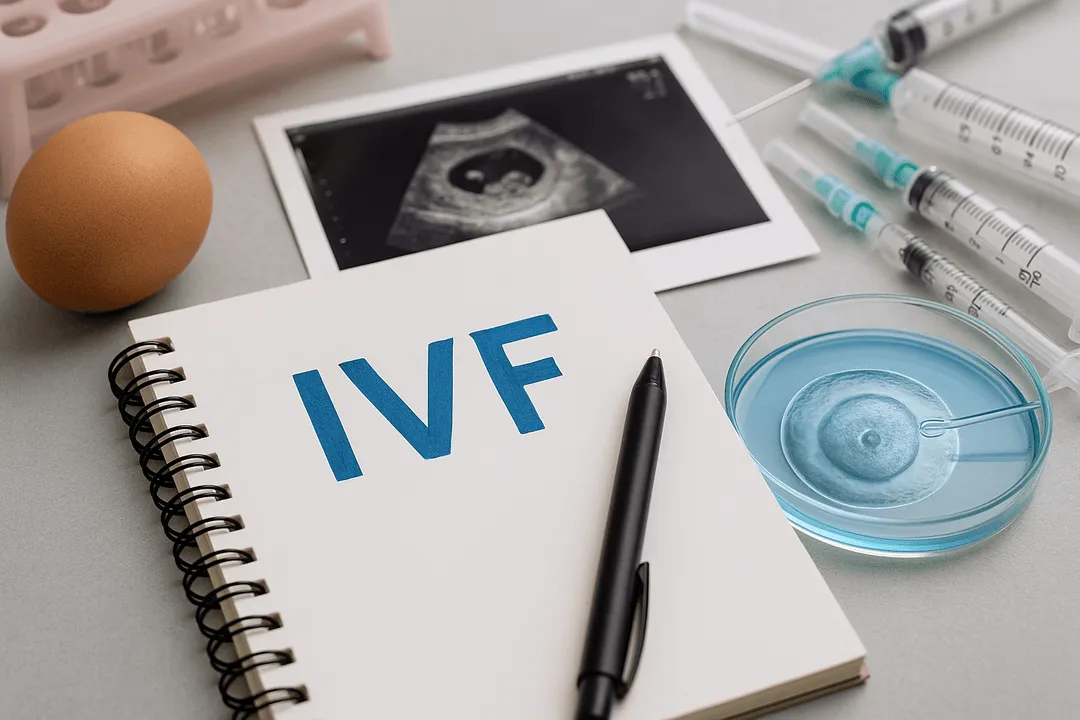
Educational overview. Donor-egg IVF is a coordinated medical, laboratory, psychosocial, and legal process. Specific requirements vary by donor type and jurisdiction.
Eggs from a screened donor are fertilized with sperm to create embryos. An embryo may be transferred to an intended parent or gestational carrier when clinically and legally appropriate. Donor eggs may be fresh or previously cryopreserved.
Donor eggs may be discussed when a person does not have usable oocytes, has diminished ovarian reserve, has experienced repeated poor oocyte or embryo development, carries certain genetic risks, or when intended parents need both an oocyte donor and a gestational carrier.
Professional guidance increasingly uses “directed” or “identified” donor and “nonidentified” donor rather than assuming permanent anonymity. Consumer DNA testing and social media make future identification possible even when participants initially choose limited contact.
ASRM: Gamete and embryo donation guidance (2024)
Last reviewed: September 2026.