Fertility Preservation
Egg Freezing: What It Can—and Cannot—Do
A candid guide to planned egg freezing, including timing, process, limitations, and questions to ask.
A candid guide to planned egg freezing, including timing, process, limitations, and questions to ask.
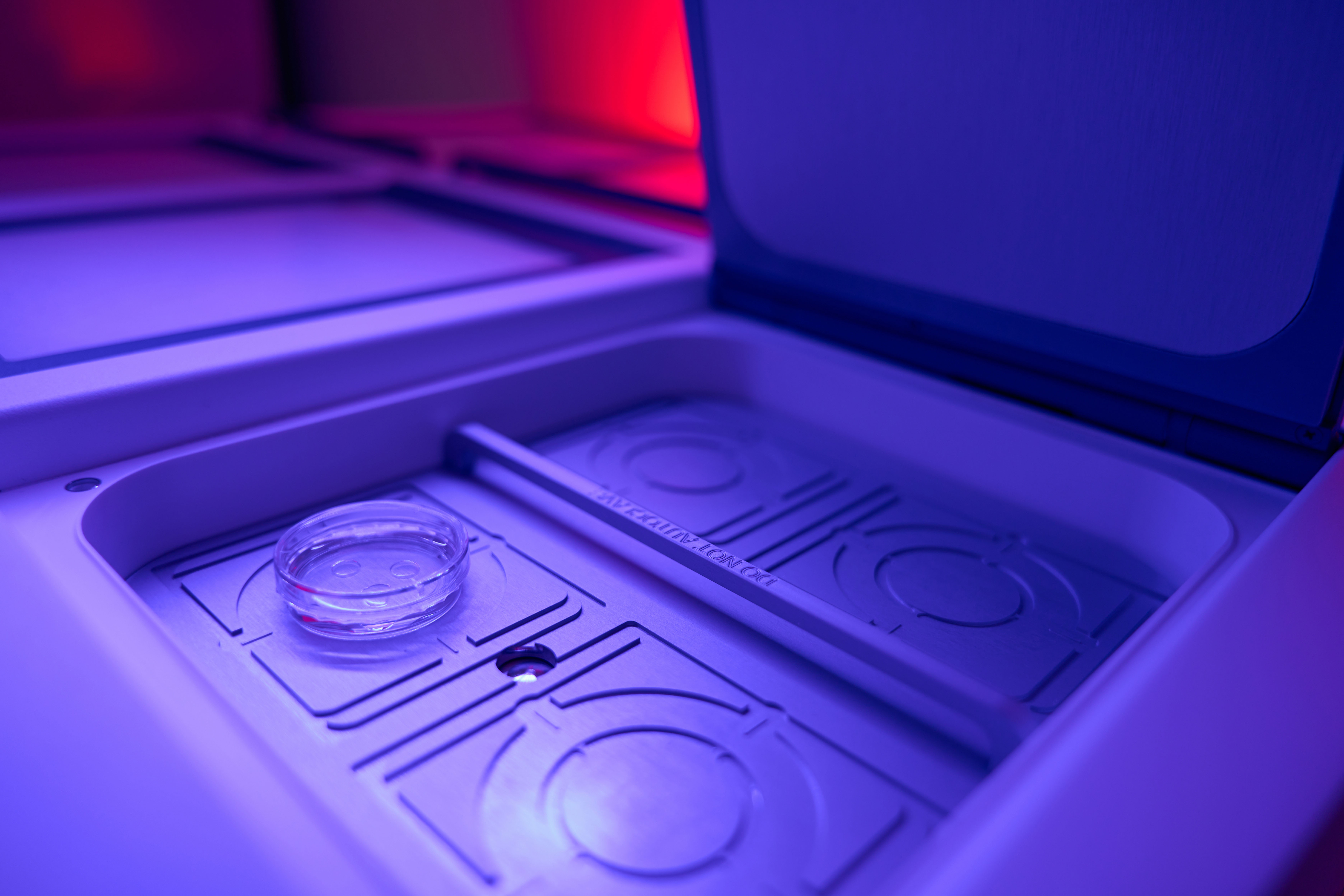
Educational overview. Egg freezing may preserve an option for future use, but it cannot guarantee a future pregnancy or live birth.
Planned oocyte cryopreservation involves stimulating the ovaries, retrieving mature eggs, and freezing them—most commonly with vitrification—for possible future use. If the eggs are later used, they are warmed and fertilized in an IVF laboratory before embryo transfer.
Age at freezing is one of the strongest factors associated with future outcomes because egg number and chromosomal competence change with age. Ovarian reserve testing can help estimate response to stimulation, but it cannot by itself predict whether an individual will have a future live birth or how long unassisted conception will remain possible.
Egg freezing is sometimes marketed as “insurance.” That phrase can overstate certainty. It is more accurate to describe the process as preserving a reproductive option whose future value varies by age, egg number, laboratory performance, sperm factors, and other clinical circumstances.
Last reviewed: September 2026.