PCOS
PCOS and Fertility: A Clear, Individualized View
PCOS can affect ovulation, menstrual patterns, and metabolic health. Diagnosis and treatment should be individualized.
PCOS can affect ovulation, menstrual patterns, and metabolic health. Diagnosis and treatment should be individualized.
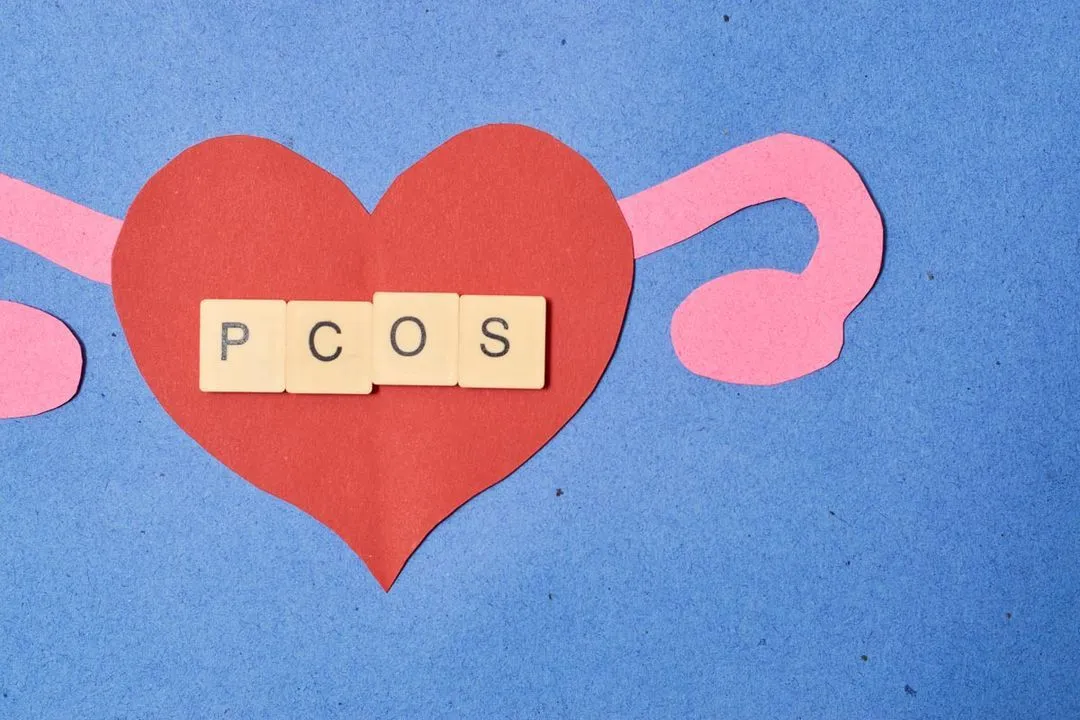
Educational overview. PCOS is a heterogeneous condition; symptoms and treatment priorities differ from person to person.
Polycystic ovary syndrome (PCOS) is associated with ovulatory dysfunction, signs or laboratory evidence of higher androgen activity, and sometimes a polycystic ovarian appearance on ultrasound. Despite the name, visible ovarian “cysts” are not required in every case, and ultrasound findings alone do not establish the diagnosis.
There is no single PCOS test. A clinician considers menstrual and reproductive history, physical findings, laboratory results, and sometimes ultrasound, while ruling out other conditions that can produce similar symptoms. Evaluation may also include blood pressure, glucose, and lipid assessment.
For patients trying to conceive, treatment depends on whether ovulation is occurring and whether other factors are present. Options may include medication to induce ovulation, timed intercourse or IUI, and IVF in selected circumstances. Care should address the whole fertility picture, including tubal and sperm factors when relevant.
PCOS management may also focus on cycle regulation, endometrial protection, acne or excess hair, sleep, emotional well-being, and metabolic health. There is no one diet, supplement, or exercise plan that is appropriate for everyone.
American College of Obstetricians and Gynecologists: PCOS FAQ
Last reviewed: September 2026.