Treatment & science
Preparing for IVF: A Practical Planning Checklist
Prepare for IVF with clear questions about appointments, medications, support, costs, and communication.
Prepare for IVF with clear questions about appointments, medications, support, costs, and communication.
Preparing for IVF means understanding the plan and arranging support. You do not have to achieve a perfect diet, mood, or routine before treatment. A focused conversation with your team is more useful than a long list of online tricks.
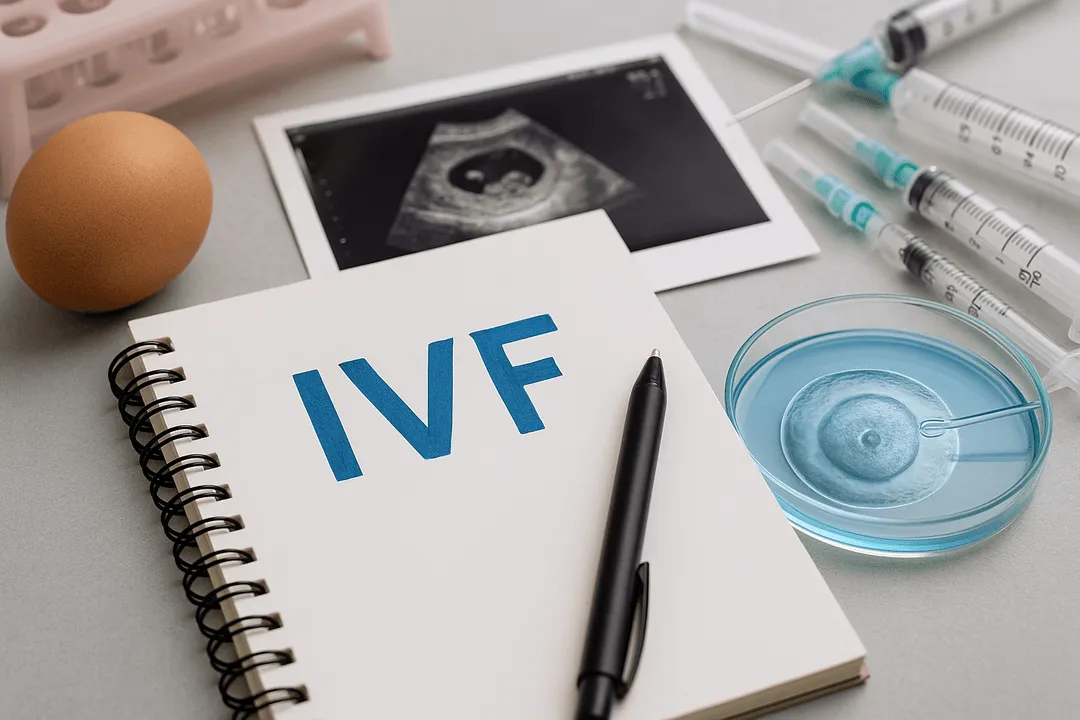
IVF generally involves stimulation, egg retrieval, fertilization, embryo development, and decisions about transfer or storage. The stages do not all occur on one fixed timetable. Ask which parts of your schedule are estimates and when the team will confirm the next step.
Prepare a current medication and supplement list, relevant prior treatment records, and questions about instructions you find unclear. Use the approved secure channel for personal records. Public website contact forms are for arranging help rather than supplying a medical history. Request a written plan directly from your team; a public checklist cannot provide individual doses or appointment timing.
Consider transport, time away from work, and help at home. Ask for procedure-specific arrangements and whom to contact outside routine hours. Request a written estimate that explains included services and possible additional charges. Discuss support preferences with anyone you want involved; you can choose how much to share.
Explore related RCA guidance or request a consultation. Share personal medical details through your care team’s approved secure channel.
Educational information. It does not replace an individual assessment or instructions from your care team.